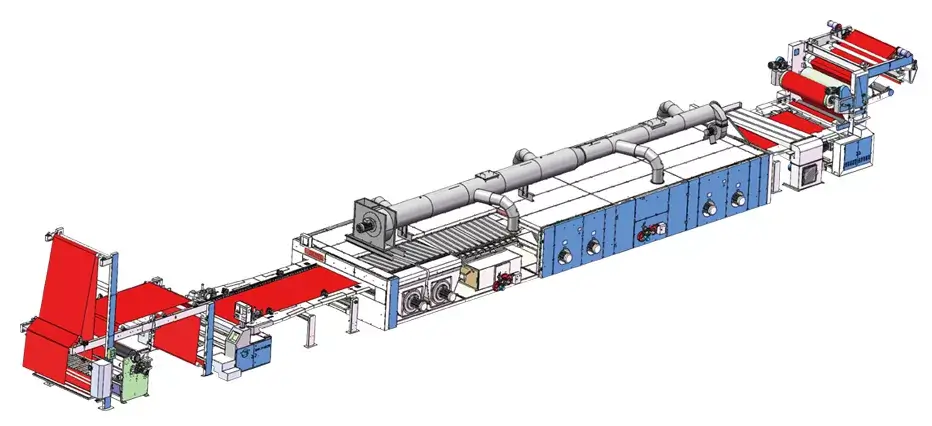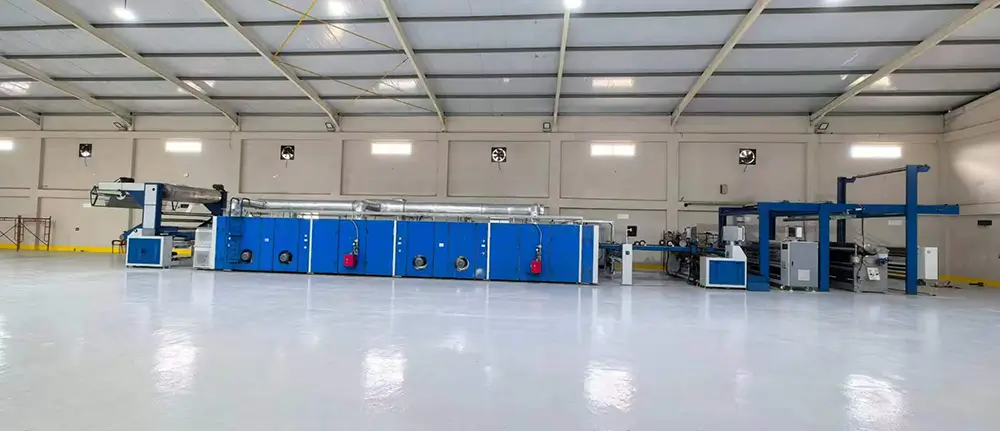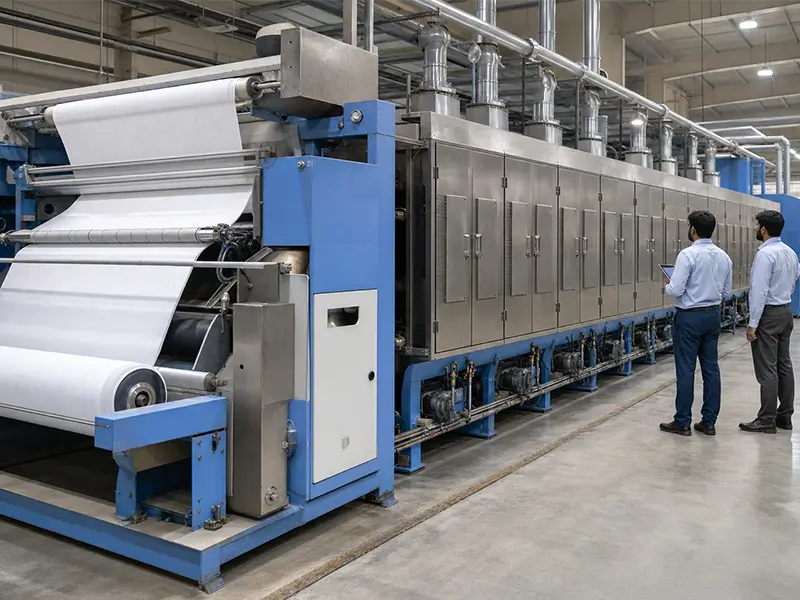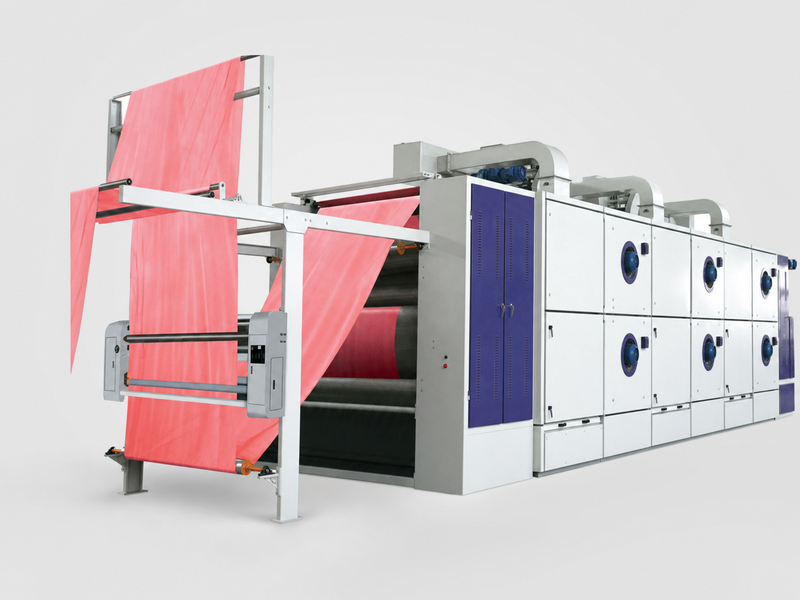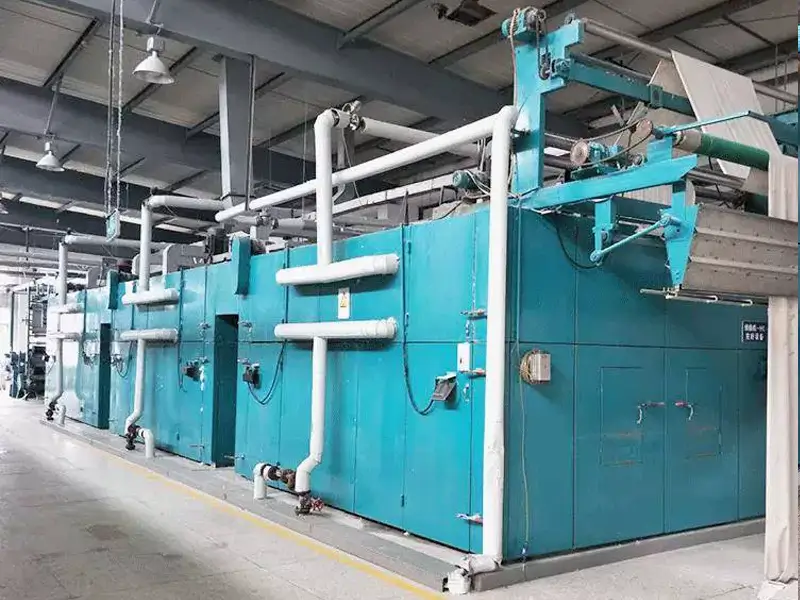
As a core piece of finishing equipment in the textile industry, the Happy stenter machine plays a decisive role in fabric heat setting, stretching, and final shaping. Its stable operation directly determines fabric finished quality, production efficiency, and service life of the entire production line. However, improper daily operation and irregular maintenance often lead to common issues such as fabric wrinkling, uneven tension, heating system failure, and chain wear, resulting in unplanned downtime and increased production costs.
To help textile manufacturers maximize machine performance, reduce failure rates, and extend equipment lifespan, this blog summarizes practical daily operation precautions and standard hierarchical maintenance steps for Happy stenter machines, covering daily, weekly, monthly, and semi-annual maintenance work.
Key Daily Operation Precautions for Happy Stenter Machine
Standardized daily operation is the first line of defense to avoid sudden machine failures. All operators must follow the following specifications during startup, running, and shutdown processes to ensure safe and stable production.
-
Pre-Operation Inspection & Safety Preparation
Before starting the Happy stenter machine every day, complete a full visual and functional inspection to eliminate hidden dangers:
Safety system verification: Check all emergency stop buttons, safety guards, and light curtains to ensure they are intact and sensitive. Confirm no foreign objects block the safety protection area, and all safety devices are in normal working condition to avoid accidents in high-temperature and high-speed operation environments.
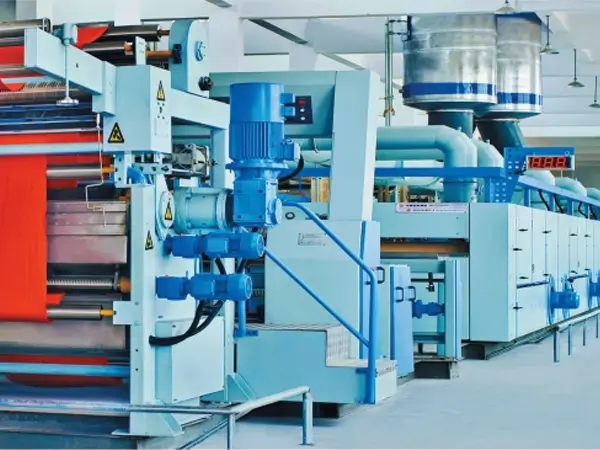
Component appearance check: Inspect key parts including needle plates, fabric clips, transmission chains, and guide rollers. Check for loose bolts, worn clips, deformed needles, or residual fabric debris to ensure smooth fabric feeding and stretching.
Circuit and air circuit inspection: Confirm stable power supply, no loose or aging wiring in the control cabinet. Check the air pressure system and cooling water pipeline to ensure no air leakage or water blockage, and keep the filter unobstructed for normal heat dissipation.
Parameter pre-setting: Set reasonable temperature, stretching tension, and running speed according to fabric materials (cotton, polyester, blended fabric, etc.). Avoid blind high-temperature and high-speed operation, and preheat the machine sectionally to prevent thermal shock damage to the heating system.
-
In-Production Operation Specifications
Strictly standardize operating behaviors during machine running to ensure consistent fabric quality and machine stability:
Standard fabric feeding: Keep the fabric flat and wrinkle-free when feeding. Adjust the edge correction device in real time to avoid fabric offset, edge waste, or uneven stretching. Do not force feeding or overload the machine.
Real-time operation monitoring: Continuously observe machine running status, including operating sound, heating temperature stability, chain running smoothness, and fabric shaping effect. Stop the machine immediately for inspection if abnormal noise, overheating, or fabric deviation occurs.
Prohibit illegal operation: It is strictly forbidden to open the safety guard or touch high-temperature components and running chains during machine operation. Non-professional operators are not allowed to adjust operation parameters arbitrarily.
Keep workshop environment clean: Keep the machine body and surrounding area tidy to prevent flying dust, lint, and debris from being adsorbed on the heating duct and needle plates, which may cause fabric contamination or equipment blockage.
-
Post-Shutdown Precautions
- Stop the machine in strict accordance with the shutdown sequence: first stop fabric feeding, reduce temperature and speed gradually, and cut off the power and air supply after the machine completely stops running. Avoid emergency shutdown or sudden power failure for no reason.
- Complete preliminary cleaning after shutdown to remove surface lint and debris, and sort out the production site to prepare for the next operation.
Hierarchical Maintenance Steps for Happy Stenter Machine
Scientific periodic maintenance is the core to extend the service life of Happy stenter machines and reduce failure rates. We divide the maintenance work into daily, weekly, monthly, and semi-annual modules with clear and operable steps.
-
Daily Maintenance (After Each Shift)
Daily maintenance focuses on cleaning and simple inspection to eliminate accumulated minor faults:
Comprehensive surface cleaning: Use compressed air and a clean damp cloth to remove lint, dust, and oil stains on the machine surface, fabric inlet/outlet, needle plates, clips, and heating duct openings. Avoid water infiltration into electrical components and transmission parts.
Filter cleaning: Dismantle and clean the air filter and cooling water filter to prevent blockage, ensure smooth air circulation and heat dissipation, and avoid equipment overheating.
Simple component inspection: Check whether the needle plates and clips are loose or damaged, and confirm that the chain runs without jamming. Check for oil leakage in the lubrication parts.
Operation record sorting: Record the machine operation status, abnormal problems, and parameter adjustment situations of the day to provide a basis for subsequent maintenance.
-
Weekly Maintenance
Weekly maintenance focuses on in-depth inspection and partial lubrication to optimize machine operating status:
Transmission system inspection: Check the tightness and wear of transmission chains, belts, and gears. Tighten loose bolts and replace severely worn gaskets in time.
Lubrication supplementation: Add special lubricating oil to chain transmission parts, guide roller bearings, and moving joints to ensure flexible operation and reduce friction wear.
Heating system inspection: Check the heating pipe and hot air circulation system to confirm uniform heating and no local overheating or air duct blockage.
Sensor calibration check: Simply verify the sensitivity of temperature sensors and tension sensors to ensure accurate data display and stable parameter control.
-
Monthly Maintenance
Monthly maintenance focuses on detailed component maintenance and hidden danger troubleshooting:
Electrical system maintenance: Clean the dust inside the control cabinet, check the working status of the cooling fan, and fasten loose wiring terminals. Back up PLC operation data regularly to prevent data loss.
Stretching system debugging: Calibrate the fabric stretching tension and edge correction system to ensure precise stretching size and consistent fabric shaping effect.
Deep cleaning of internal components: Clean the residual lint and oil dirt inside the heating box and air duct to avoid affecting heat circulation and causing fabric color difference.
Wear assessment: Evaluate the wear degree of needle plates, clips, and chains, and mark parts that need to be replaced in advance.
-
Semi-Annual Overhaul Maintenance
Semi-annual overhaul is a comprehensive deep maintenance to eliminate potential major faults:
Complete disassembly and cleaning: Disassemble key components such as transmission chains, guide rollers, and air ducts for thorough cleaning and decontamination.
Component replacement and maintenance: Replace aging seals, belts, and severely worn needle plates and clips. Replace the lubricating oil of the entire transmission system to ensure optimal lubrication effect.
System full calibration: Accurately calibrate the temperature control system, tension control system, and edge correction system to ensure precise operation parameters.
Full machine safety inspection: Comprehensive test of safety protection devices, circuit systems, and air pressure systems to eliminate potential safety hazards and ensure long-term stable operation of the equipment.
Why Standard Maintenance Matters for Happy Stenter Machines
Many textile enterprises ignore daily standardized operation and regular maintenance, resulting in frequent equipment failures, shortened machine service life, and unstable fabric quality. Adhering to the above operation precautions and maintenance steps can bring core benefits:
Effectively reduce unplanned downtime and improve continuous production efficiency;
Stabilize fabric heat setting quality and reduce defective product rate;
Delay equipment aging, reduce parts replacement costs, and lower long-term operation costs;
Ensure workshop production safety and avoid mechanical safety accidents.
Final Thoughts
The Happy stenter machine is a high-precision textile finishing equipment, and its operating stability and service life depend entirely on daily standardized management. Strictly implementing daily operation specifications and hierarchical periodic maintenance is the most cost-effective way to maximize equipment value.
For textile factories, establishing a complete machine operation and maintenance ledger, arranging special personnel for regular inspection and maintenance, and training operators on standardized operations can effectively avoid most common failures, ensure long-term stable and efficient operation of the stenter machine, and create greater economic benefits for production.