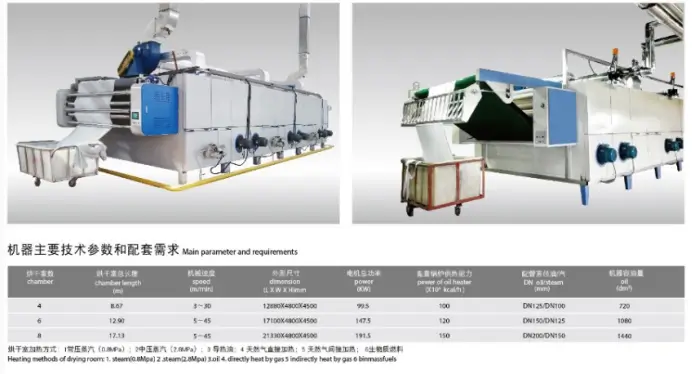
What's the Real Difference Between a Dryer and a Stenter?
Confused about textile finishing machines? Choosing the wrong one can ruin your fabric and cost you money. I'll break down the key differences to help you decide.
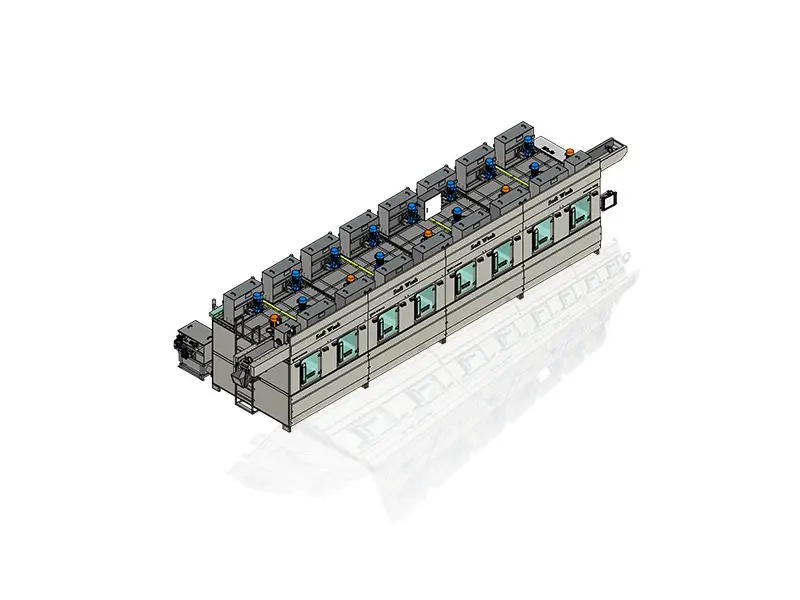
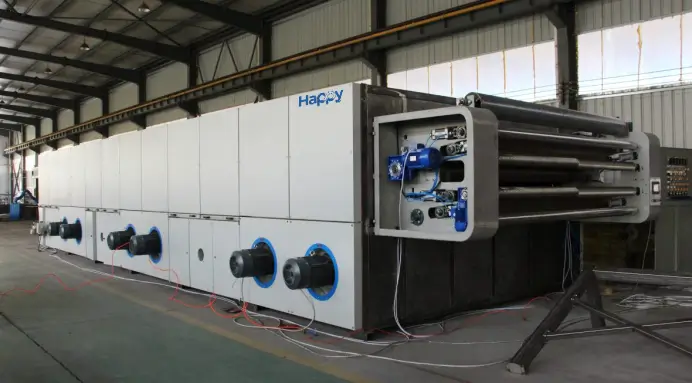
A stenter[^1] sets a fabric's final dimensions using heat and tension[^2]. It precisely controls the width and shape. A relax dryer[^3], on the other hand, simply removes moisture with hot air without controlling the fabric's final size, focusing on speed and efficiency.
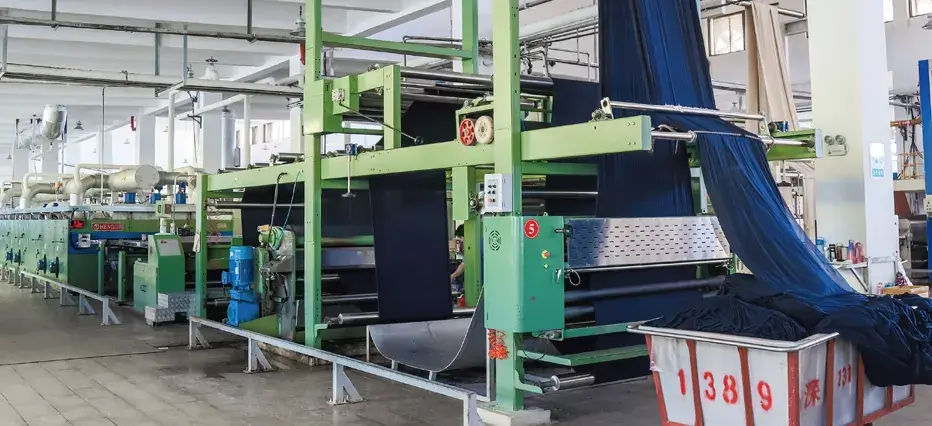
Now that you have the basic idea, you might be asking how they achieve these different results. Understanding the mechanics behind each machine will make the choice much clearer for your production line. Let's look a bit closer at how each one operates.
How do they actually work?
The technical details can seem complex, with all the talk about heat, tension, and airflow. Misunderstanding the process can lead to big mistakes. I'll explain how they work in simple terms.
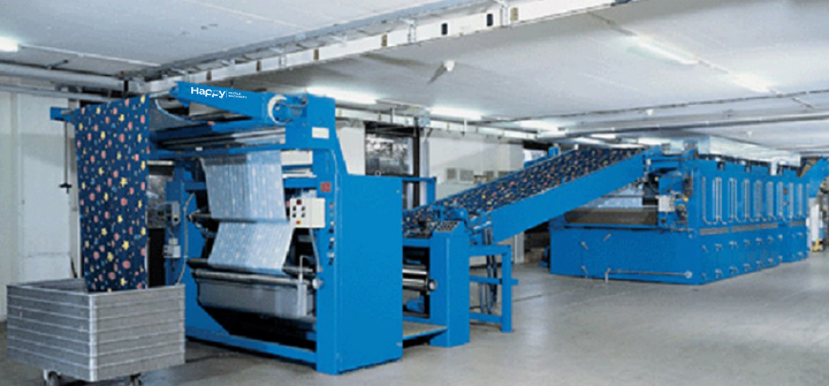
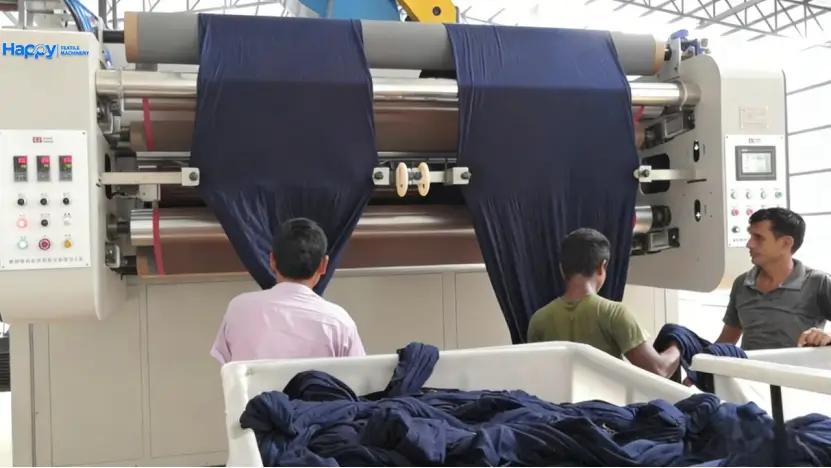
A stenter grips the fabric's edges, stretching it to a specific width as it passes through a heated chamber to "set" its shape. A loose dryer tumbles or moves the fabric through hot air, letting it relax and dry naturally without tension.
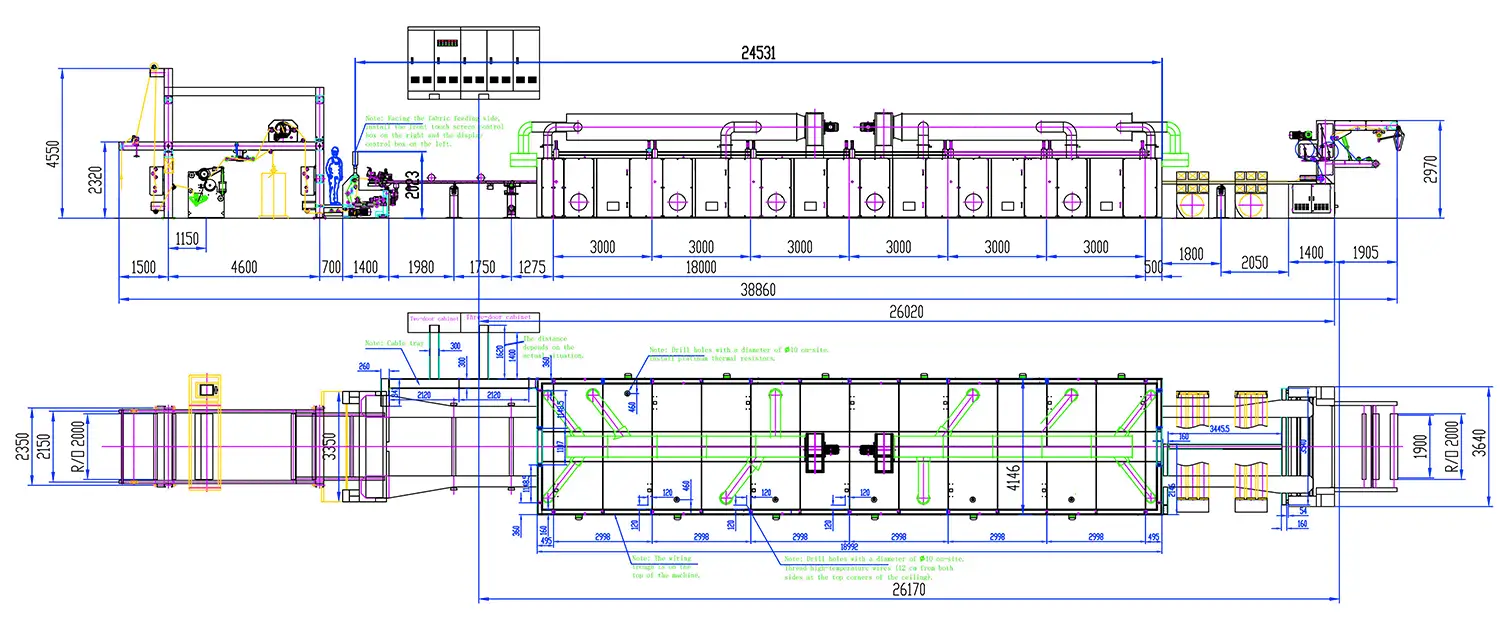
The Stenter: A Tool for Precision
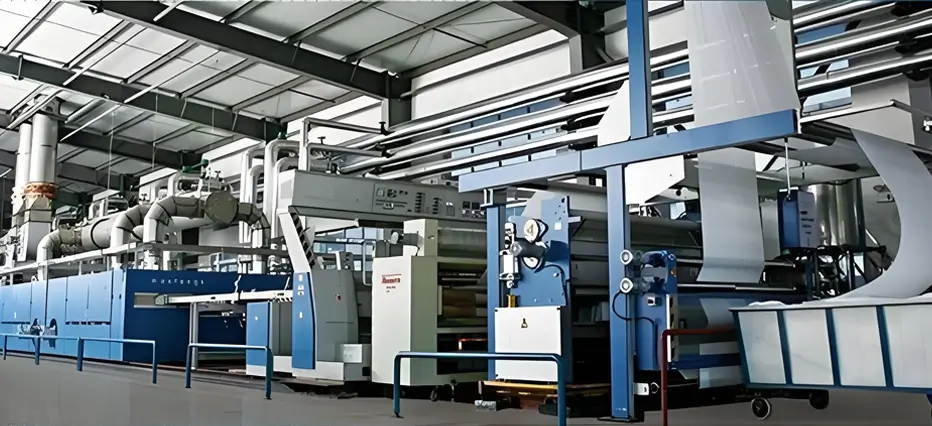
Think of a stenter as a machine that gives fabric its final, permanent shape. The process is very controlled. The wet fabric enters the machine and its edges, called selvedges[^4], are gripped by a series of pins or clips on a moving chain. These chains move apart to stretch the fabric to the exact width needed. As the fabric is held under this tension, it travels through a long heated chamber. The combination of heat, tension, and controlled humidity sets the fibers in place. This ensures the fabric won't shrink or change shape later. It’s like ironing a shirt to get a perfect, crisp finish, but on an industrial scale. This process guarantees every meter of fabric has the same dimensions.
The Relax Dryer: Focused on Drying
A relax dryer[^3] has a much simpler job: get the water out of the fabric as fast as possible. The fabric is fed into the machine without any tension on its edges. Inside, it's gently transported on a conveyor belt or tumbled in a large drum. Hot air circulates all around the fabric, efficiently evaporating the moisture. Because the fabric isn't being held tight, it can shrink and relax naturally. This process is great for fabrics where a soft feel[^5] is more important than exact dimensions. The goal here is not precision but high-speed, high-volume drying. It’s the workhorse for getting large batches of fabric ready for the next step.
What are the main benefits of each machine?
You know how they work, but you probably want to know which one is better for your business. Choosing the wrong machine can really affect your product quality. Let's compare their unique strengths.
A stenter's main advantage is precision. It creates fabric with exact dimensions and a stable, high-quality finish. A dryer’s strength is speed and lower cost, making it perfect for high-volume production[^6] where exact sizing is less critical.
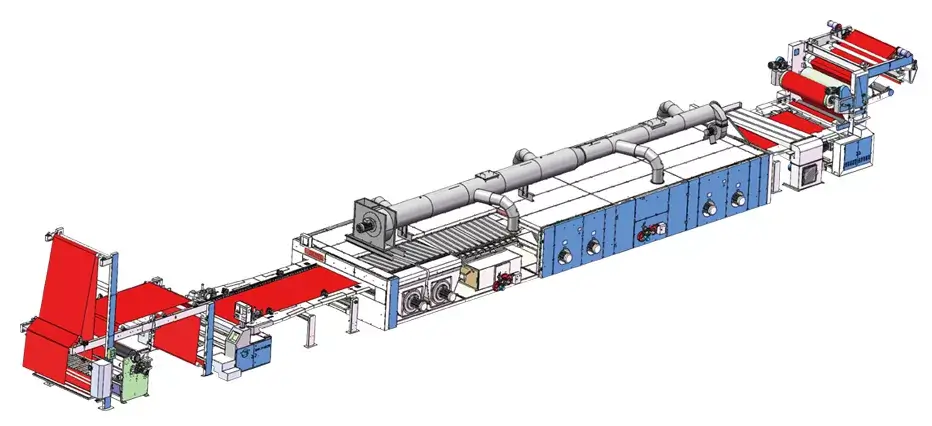
To make it clearer, I've put the main points into a table. This helps me see the differences at a glance when I'm planning a new production line.
| Feature | Stenter | Loose Dryer |
|---|---|---|
| Primary Goal | Sets fabric shape & dimensions | Removes moisture quickly |
| Fabric Quality | High precision, stable, standardized | Soft, relaxed, flat finish |
| Production Speed | Slower, more controlled | Fast, high efficiency |
| Operating Cost | Higher | Lower |
| Final Result | Uniform fabric for high-end goods | Bulk-dried fabric for mass-market items[^7] |
The stenter is all about quality control. When you need every piece of a garment to be exactly the same size, a stenter[^1] is the only way to go. This dimensional stability[^8] is crucial for high-end clothing[^9] and technical textiles. The higher operating cost is justified because the final product has a higher value.
On the other hand, the loose dryer is built for speed and efficiency. It can process huge amounts of fabric quickly, which keeps production costs[^10] down. For items like t-shirts or towels, where a little variation in size is acceptable, the dryer is the more economical and practical choice.
Which machine is right for your fabric?
Now we get to the most important question. You have a product to make, so which machine should you use? Making the wrong choice can limit what you can produce. I'll give you some clear examples.
Use a stenter for high-value products where precise shape is essential, like luxury apparel[^11] and home decor. Use a loose dryer for high-volume, cost-sensitive items like t-shirts, towels, and basic knitwear where a relaxed finish is fine.
When to Choose a Stenter
You should invest in a stenter when your final product must meet strict quality standards. This includes products where consistency is key. I'm talking about high-end fashion, where a size "Medium" must be the same every time. It’s also essential for premium home furnishings like curtains or upholstery, where patterns need to align perfectly. Other examples include high-quality children's clothing, luxury bedding, and handbags. For these items, customers pay for quality, and that quality starts with perfectly finished fabric. The stenter delivers that guarantee, making the investment worthwhile.
When to Choose a Loose Dryer
A loose dryer is the best choice for mass production. It is ideal for fabrics where comfort and a soft feel[^5] are more important than rigid dimensional stability[^8]. Think about everyday items like cotton t-shirts, denim jeans, towels, and basic bedding. It’s also great for all kinds of knit fabrics made from cotton, linen, and chemical fibers. These are products made in large volumes, so production speed and low cost are top priorities. The relaxed, slightly shrunken finish you get from a loose dryer is often exactly what you want for these comfortable, casual items. It's the most practical tool for the job.
Conclusion
In short, choose a stenter for precision and shape-setting. Pick a loose dryer for fast, efficient moisture removal. Your product's specific needs should always guide your decision.
[^1]: Explore this link to understand how a stenter machine enhances fabric quality and precision. [^2]: Understand the critical role of heat and tension in achieving desired fabric properties. [^3]: Learn about relax dryers and their role in efficient fabric drying processes. [^4]: Find out how selvedges contribute to fabric integrity and finishing. [^5]: Understand how finishing processes contribute to the comfort and feel of fabrics. [^6]: Explore the advantages of high-volume production for cost-effective textile manufacturing. [^7]: Learn about mass-market items and how they differ from high-end products in production. [^8]: Learn about dimensional stability and its importance in high-quality fabric production. [^9]: Explore the features that distinguish high-end clothing and the importance of fabric quality. [^10]: Discover strategies for reducing production costs while maintaining fabric quality. [^11]: Discover what makes luxury apparel stand out and the role of fabric finishing in its quality.