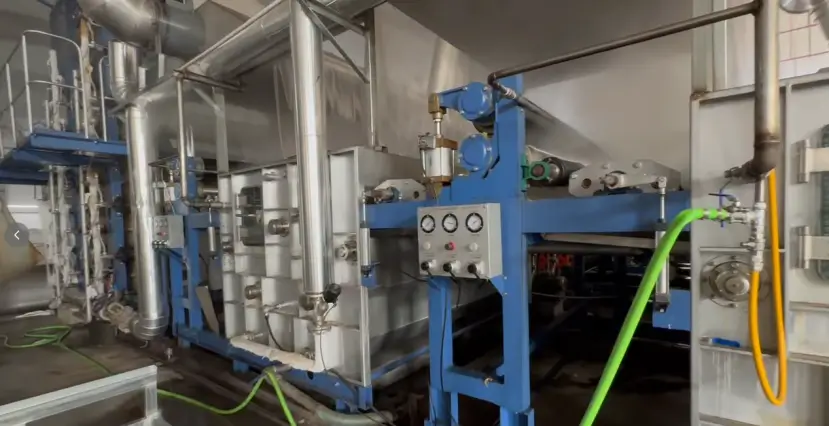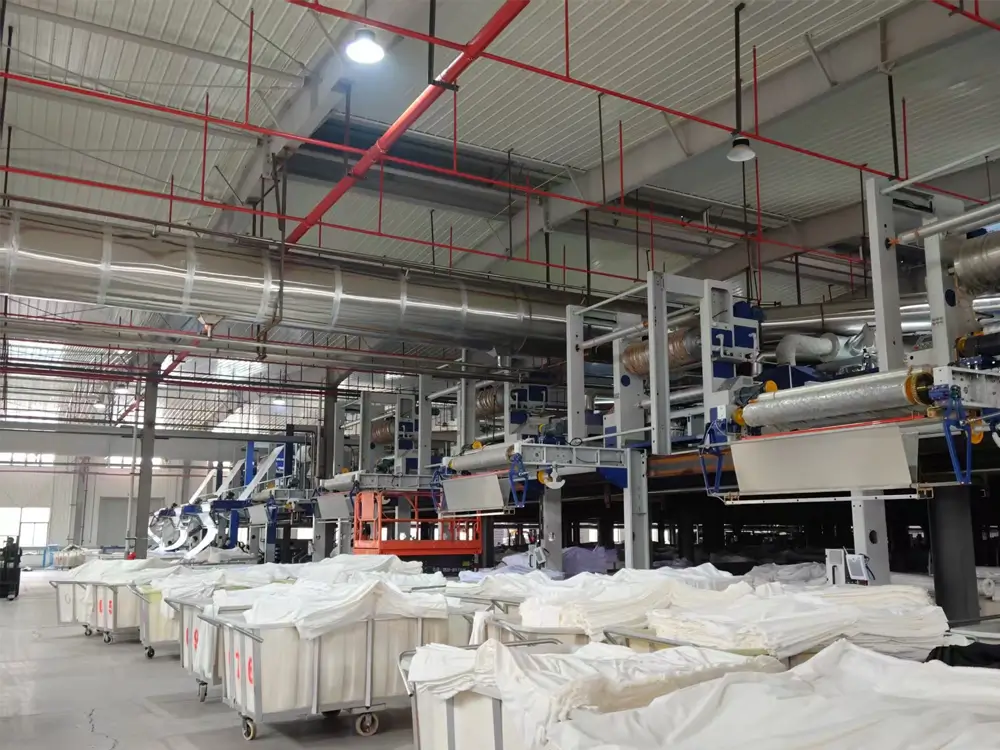
From Inquiry to Long-Term Cooperation: Happy Brand Relax Dryer Wins Trust of Bangladeshi Textile Enterprise
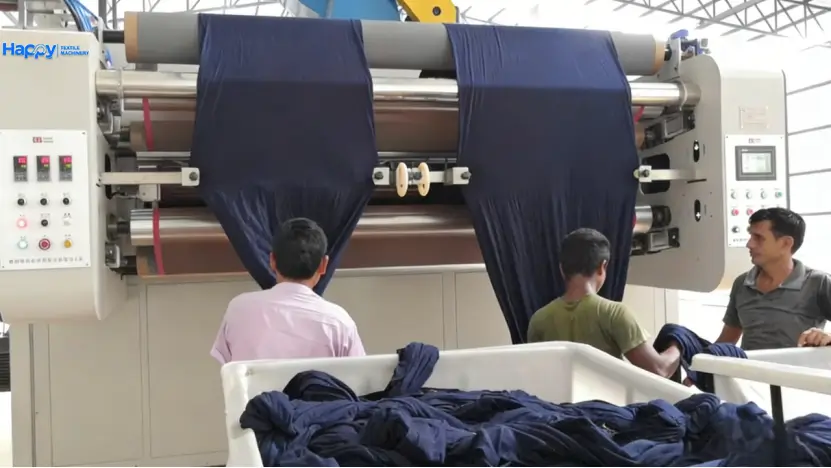
During Dhaka's rainy season, we received an inquiry from Mr. Hassan, the procurement director of a knitwear factory in Chittagong, Bangladesh. He said:
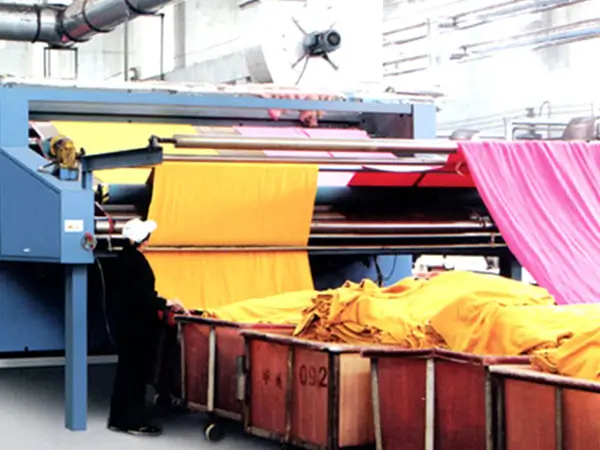
"We need relax dryers that prioritize protecting the elasticity and softness of knit fabrics, while being capable of long-term continuous production. Right now, our sportswear fabrics exported to Europe and America are often returned because they feel stiff after drying—we're really in a hurry."
Unexpectedly, this inquiry led to a three-year cooperation between us.
The Customer's Core Needs: Adapting to Fabrics and Local Production
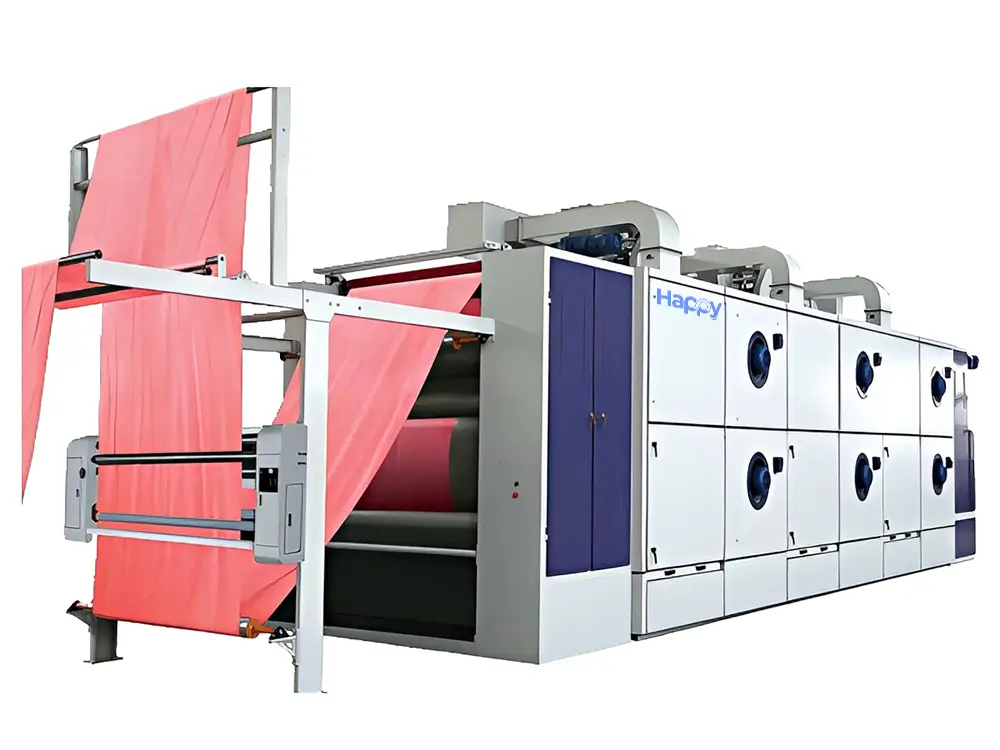
After multiple communications, we clarified the customer's requirements. This factory mainly produces cotton knit and polyester-cotton blended fabrics, supplying to OEMs of European and American fast-fashion brands. Two key needs must be met: first, the weft elastic recovery rate of fabrics after drying must be ≥95% and the shrinkage rate controlled within 3%, complying with EU environmental certifications; second, the equipment must adapt to Bangladesh's local conditions—large voltage fluctuations (up to ±18%), abundant steam supply, and high workshop humidity. The specific technical requirements are as follows:
- Effective working width: 2200mm (compatible with existing fabric rolls)
- Drying speed: 5-60m/min (suitable for both sampling and mass production)
- Heating method: Steam heating (the factory has a boiler with pressure 0.4-0.6MPa)
- Conveying method: Roller + mesh belt combination (to avoid fabric deformation)
- Voltage and frequency: 380V/3PH/50Hz (voltage stabilization required)
- Drying temperature: 40-120℃ (temperature error ±2℃)
- Application: Drying of cotton knit and polyester-cotton blended fabrics (for sportswear and underwear)
- Special requirements: Automatic humidity detection and corrosion-resistant body
Customized Solution: Tailored to Local Reality
We designed a customized solution based on the needs:
- Protect fabric elasticity: Optimize air ducts, use gentle airflow, and control fabric tension to avoid elasticity loss;
- Address voltage fluctuations: Install a wide-range voltage stabilization module to ensure normal operation even with unstable voltage;
- Adapt to high humidity: Apply a three-layer anti-corrosion treatment to the machine body and add moisture-proof boxes for electrical components;
- Save costs: Use locally available spare parts, and increase steam thermal efficiency to 88% for better energy savings.
When we sent the solution, fabric test report (elastic recovery rate 96.8%, shrinkage rate 2.1%), and equipment test videos to Mr. Hassan, he said:
"You not only solved the quality problem but also considered the actual conditions of our workshop—more thoughtful than local suppliers."
On-Site Verification: Data Speaks for Itself
Two months later, the first customized machine was produced. Mr. Hassan sent 3 technical personnel to China for acceptance, conducting three key tests:
- Simulate voltage fluctuations—equipment operated continuously for 8 hours with stable fabric elasticity;
- Test with 10 tons of the customer's own fabrics—average drying speed of 55m/min, with hand feel meeting requirements;
- Operate for 12 hours in a high-humidity environment—no moisture-related issues with the equipment.
After the tests passed, the customer signed the acceptance report on the spot and placed an additional order for 2 more machines.
Delivery and Installation: Overcoming Cross-Border Challenges
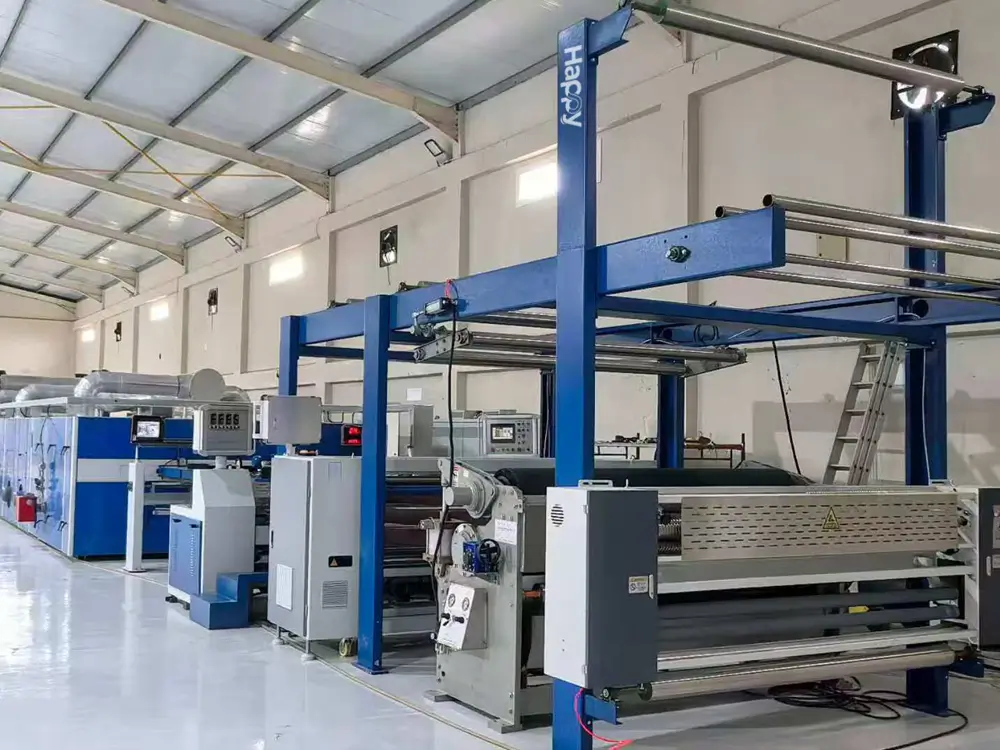
We shipped the goods under CIF Chittagong terms, with moisture-proof and reinforced packaging. Choosing a logistics provider with experience in Bangladesh dedicated routes, the goods arrived at the port in 28 days. We prepared bilingual customs clearance documents in advance to help the customer complete customs formalities quickly. Later, we dispatched 2 engineers to Bangladesh, who completed the installation and commissioning of 3 machines within 10 days, and also added floor moisture-proof mats and ventilation hoods.
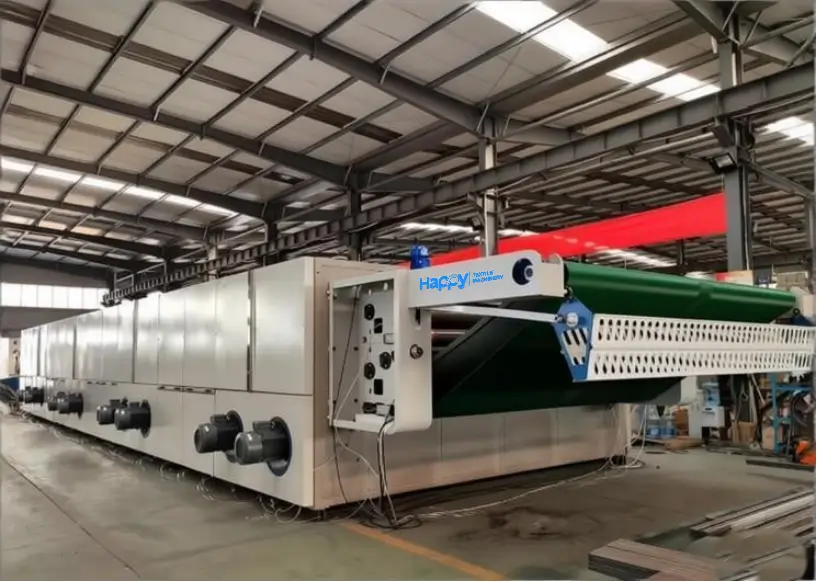
Long-Term Cooperation: Achieving Win-Win Results
One year after the equipment was put into use, Mr. Hassan provided feedback:
"The return problem has been completely solved—fabric qualification rate increased from 78% to 99.2%, and European and American customers have no more complaints; steam consumption has been reduced by 15%, voltage fluctuations no longer affect production, and productivity has increased by 30%."
Subsequently, the factory purchased 4 more machines and signed an annual maintenance agreement. This cooperation made us understand that only by understanding market conditions and customer pain points, and providing demand-oriented products and services, can we gain a firm foothold in cross-border trade. We also look forward to cooperating with more Bangladeshi textile enterprises to contribute to the upgrading of the local industry.